Big Bark Tree Care
  • About Us
  • Tree Trimming
  • Tree Care
  • Tree Removal
  • Blog
  • Contact

The Benefits of Professional Tree Health Assessments in Louisiana

3/18/2025

4 Comments

 
Trees play a vital role in Louisiana’s landscapes, providing shade, beauty, and environmental benefits. However, due to the state's humid climate and frequent storms, trees can be vulnerable to disease, decay, and structural instability. Regular tree health assessments by professionals help maintain their longevity and safety. In this guide, we explore the importance of tree health assessments and how they benefit homeowners and property managers.
Picture of trees by a road

Why Tree Health Assessments Are Important

Preventative Care
  • Professional assessments help identify early signs of disease, decay, and structural weaknesses before they become major issues.
  • Regular evaluations reduce the risk of costly tree removals and landscape damage.
Safety Measures
  • Trees with unstable branches or weak root systems can pose serious risks, especially during hurricanes and storms.
  • Assessments help mitigate hazards by identifying and addressing potential dangers.
Tree Longevity
  • Healthy trees can live for decades with proper care and maintenance.
  • Routine inspections ensure trees receive the nutrients, pruning, and support they need to thrive.

Common Tree Health Issues in Louisiana​

Fungal Infections & Root Rot
  • Louisiana’s high humidity and frequent rainfall create ideal conditions for fungal diseases like root rot and mildew.
  • Identifying infections early prevents widespread damage and tree decline.
Insect Infestations
  • Common pests such as termites, beetles, and borers can weaken trees from the inside out.
  • Professional assessments detect infestations early, allowing for prompt treatment.
Storm Damage & Weak Branches
  • Hurricanes and heavy winds can cause stress fractures, uprooted trees, and weakened branches.
  • Inspecting trees before and after storms ensures structural integrity and safety.

5 Common Tree Diseases in Baton Rouge and How to Treat Them

1. Oak Wilt
  • Symptoms: Wilting leaves, brown veins, rapid leaf loss.
  • Causes: Fungus spread by beetles and root grafts.
  • Treatment:
    • Remove infected branches and avoid pruning in spring.
    • Use fungicide treatments on high-value trees.
    • Prevent root grafts between infected and healthy trees.

2. Powdery Mildew
  • Symptoms: White or gray powdery coating on leaves.
  • Causes: High humidity and poor air circulation.
  • Treatment:
    • Improve air circulation by pruning dense branches.
    • Apply fungicides if the infection is severe.
    • Avoid overhead watering to keep foliage dry.

3. Root Rot (Phytophthora and Armillaria)
  • Symptoms: Yellowing leaves, wilting, mushy roots.
  • Causes: Excess moisture and poor drainage.
  • Treatment:
    • Improve soil drainage and avoid overwatering.
    • Remove and replace severely infected trees.
    • Apply fungicide to protect nearby healthy trees.

4. Anthracnose
  • Symptoms: Dark brown or black spots on leaves, twig dieback.
  • Causes: Fungal spores spread by wet conditions.
  • Treatment:
    • Rake and dispose of infected leaves.
    • Prune affected branches to promote air circulation.
    • Apply copper-based fungicides if necessary.
​
5. Bacterial Leaf Scorch
  • Symptoms: Leaf edges turn brown while veins remain green.
  • Causes: Bacteria spread by insects like leafhoppers.
  • Treatment:
    • Improve tree health with deep watering and fertilization.
    • Use insect control methods to reduce disease spread.
    • No cure, but proper care can prolong tree life.

What to Expect in a Professional Tree Assessment

Visual Inspection
  • Arborists check for visible signs of disease, decay, and structural problems.
  • Examining leaves, bark, and branches helps determine overall tree health.
Soil & Root Analysis
  • Healthy soil and strong roots are essential for tree stability.
  • Assessments include testing soil composition, moisture levels, and root system health.
Disease & Pest Diagnosis
  • Experts identify common tree diseases and pest infestations that may be affecting growth and vitality.
  • Early detection allows for effective treatment and management.
Pruning & Maintenance Recommendations
  • Trimming dead or weak branches reduces the risk of falling limbs.
  • Arborists provide guidance on proper watering, fertilization, and ongoing care.

​When Should You Schedule a Tree Health Assessment?

​Before Hurricane Season
  • Ensuring trees are structurally sound before severe weather can prevent storm-related damage.
Signs of Disease or Decay
  • If you notice discolored leaves, peeling bark, or dead branches, it’s time for an assessment.
Post-Storm Evaluations
  • Storms can weaken trees in ways that aren't immediately visible. A professional evaluation helps identify hidden damage.
Routine Annual Checkups
  • Regular health assessments ensure trees remain strong and vibrant year-round.

The Benefits of Hiring a Professional Arborist

Expert Knowledge
  • Certified arborists understand Louisiana’s tree species, soil conditions, and climate challenges.
Proper Equipment & Techniques
  • Professionals use advanced tools to diagnose tree health and perform necessary treatments safely.
Long-Term Cost Savings
  • Preventative care and early intervention reduce the need for expensive tree removals and property repairs.

Who to Call For a Tree Health Check?
Regular tree health assessments are essential for maintaining a safe, beautiful, and thriving landscape. By identifying risks early and taking preventative measures, property owners can protect their trees and surrounding environment. If you need a professional tree health evaluation, contact Big Bark Tree Care today to ensure your trees remain strong and healthy for years to come.
4 Comments

Hurricane Season and Your Trees: Preparing Your Landscape for Storms

3/4/2025

0 Comments

 
​Hurricanes are a common threat in Baton Rouge, bringing strong winds and heavy rains that can severely damage trees and landscapes. Proactive tree care before storm season can minimize risks, protect your property, and reduce cleanup costs. In this guide, we’ll cover how to assess and prepare your trees for hurricane season to keep your landscape safe and resilient.
Picture of tree with wind damage in Baton Rouge

Assessing Tree Health Before Hurricane Season

Before a storm hits, it’s important to evaluate the condition of your trees to identify potential hazards.
​
Look for Weak or Dead Branches
  • Weak, dead, or broken branches are more likely to break off during high winds.
  • Regularly inspect your trees and remove unstable limbs to reduce potential damage.
Check for Structural Defects
  • Trees with multiple trunks or weak branch unions are more susceptible to splitting.
  • Leaning trees may indicate root damage or instability and should be assessed by a professional.
Inspect for Disease or Decay
  • Trees affected by rot, fungus, or insect infestations are more likely to fall during storms.
  • Addressing disease and pest issues before hurricane season strengthens tree resilience.

Proper Tree Maintenance to Minimize Storm Damage

Routine tree maintenance is key to reducing storm-related damage.
​
Regular Pruning
  • Trimming trees properly can reduce wind resistance and prevent overgrowth.
  • Removing excess branches ensures trees are less likely to break under high winds.
Deep Root Watering & Mulching
  • Strong roots help trees stay anchored during storms.
  • Applying mulch around tree bases improves soil moisture and root stability.
Bracing and Cabling
  • Weak trunks and heavy branches can benefit from structural support.
  • Professional bracing and cabling can reinforce vulnerable trees, reducing breakage risk.

Choosing Hurricane-Resistant Trees for Your Landscape

Some tree species are better equipped to withstand hurricanes than others.

​Best Wind-Resistant Tree Species
  • Live Oak – Strong, deep-rooted, and highly wind-resistant.
  • Bald Cypress – Flexible, flood-tolerant, and resilient in storm conditions.
  • Southern Magnolia – Dense wood and strong structure make it more durable.
Avoid Trees Prone to Storm Damage
  • Water Oaks – Weak wood and shallow roots make them highly susceptible to storm damage.
  • Pines – Tall and brittle, prone to snapping in strong winds.
  • Shallow-Rooted Species – Trees with weak root systems can easily topple over in storms.
Spacing and Placement Strategies
  • Avoid planting trees too close to power lines, structures, or driveways.
  • Space trees properly to allow for strong root development and wind flow resistance.

What to Do With Trees After a Hurricane

Once the storm has passed, evaluating tree damage is crucial for safety and recovery.

Assess Tree Damage
  • Look for hanging branches, split trunks, and exposed roots.
  • Trees leaning significantly may pose a risk and need immediate attention.
Remove Hazardous Trees Safely
  • If a tree is at risk of falling, consult a professional for safe removal.
  • Avoid handling large fallen limbs or uprooted trees on your own.
Tree Recovery Tips
  • Proper watering, mulching, and pruning can help stressed trees recover.
  • Monitor tree health for signs of delayed damage in the weeks following the storm.

Get Prepared For Storm Season
Preparing your trees before hurricane season can protect your landscape and property from severe damage. Regular inspections, proper maintenance, and choosing storm-resistant tree species can make a significant difference. If you need assistance with tree preparation or post-storm care, contact a professional tree service to ensure your trees remain strong and resilient year-round.


0 Comments

The Benefits of Professional Tree Health Assessments in Louisiana

2/18/2025

0 Comments

 
Trees play a vital role in Louisiana’s landscapes, providing shade, beauty, and environmental benefits. However, due to the state's humid climate and frequent storms, trees can be vulnerable to disease, decay, and structural instability. Regular tree health assessments by professionals help maintain their longevity and safety. In this guide, we explore the importance of tree health assessments and how they benefit homeowners and property managers.

Why Tree Health Assessments Are Important

​Preventative Care
  • Professional assessments help identify early signs of disease, decay, and structural weaknesses before they become major issues.
  • Regular evaluations reduce the risk of costly tree removals and landscape damage.
Safety Measures
  • Trees with unstable branches or weak root systems can pose serious risks, especially during hurricanes and storms.
  • Assessments help mitigate hazards by identifying and addressing potential dangers.
Tree Longevity
  • Healthy trees can live for decades with proper care and maintenance.
  • Routine inspections ensure trees receive the nutrients, pruning, and support they need to thrive.

Common Tree Health Issues in Louisiana

Fungal Infections & Root Rot
  • Louisiana’s high humidity and frequent rainfall create ideal conditions for fungal diseases like root rot and mildew.
  • Identifying infections early prevents widespread damage and tree decline.
Insect Infestations
  • Common pests such as termites, beetles, and borers can weaken trees from the inside out.
  • Professional assessments detect infestations early, allowing for prompt treatment.
Storm Damage & Weak Branches
  • Hurricanes and heavy winds can cause stress fractures, uprooted trees, and weakened branches.
  • Inspecting trees before and after storms ensures structural integrity and safety.
0 Comments

How to Spot a Dangerous Tree: Signs Your Tree Might Need Removal

2/4/2025

0 Comments

 
​​Trees add beauty and value to any property, but when they become unstable or diseased, they pose significant risks. Identifying hazardous trees early can prevent property damage, personal injury, and costly emergency removals. In this guide, we’ll discuss key warning signs that indicate a tree may be dangerous and in need of removal.
Picture of dying tree with missing bark and mushrooms

What Are the Structural Warning Signs of a Dangerous Tree

Leaning Trees
  • While some trees naturally lean, a sudden or worsening lean can indicate structural instability.
  • Cracked soil or exposed roots near the base can suggest the tree is losing its grip on the ground.
  • Trees leaning toward structures, driveways, or walkways are particularly hazardous.
Multiple Trunks or Weak Unions
  • Trees with multiple trunks or branches that form a tight V-shape are more prone to splitting.
  • Weak unions, where branches join at a narrow angle, can break under heavy wind or ice loads.
  • Regular inspections can identify potential weak spots before they cause damage.
Large Dead Branches
  • Dead or broken limbs can fall unexpectedly, posing a risk to people and property.
  • Branches that are missing bark or have no leaves during growing seasons are likely dead.
  • Routine pruning can prevent hazardous branches from becoming a larger problem.
Cracks and Cavities
  • Large cracks in the trunk may indicate serious internal decay.
  • Cavities or hollow sections weaken the tree’s overall structure and can lead to breakage.
  • A certified arborist can assess the severity and recommend whether removal is necessary.

What Are Signs of Disease or Decay in Trees?

Fungal Growth (Mushrooms at the Base)
  • Mushrooms or fungi growing at the base of a tree often signal internal rot.
  • Trees with extensive fungal infections may become weak and structurally compromised.
Peeling or Missing Bark
  • Bark protects the tree’s inner layers; missing or peeling bark can indicate stress or disease.
  • Sunken or discolored patches on the trunk are additional signs of declining health.
Sudden Leaf Loss or Discoloration
  • Trees that lose leaves prematurely or have yellowing leaves outside of seasonal changes may be unhealthy.
  • Thinning canopies or branches with no new growth may indicate disease or root damage.
Insect Infestation
  • Termites, beetles, or other boring insects can weaken a tree’s structure.
  • Holes in the trunk, sawdust-like residue, or excessive woodpecker activity are common infestation signs.

What Are Sign of Root and Soil Issues in Trees?

Exposed or Damaged Roots
  • Root damage from construction, erosion, or disease can destabilize a tree.
  • Cutting major roots during landscaping projects can reduce the tree’s ability to anchor itself.
Heaving Soil Around the Base
  • Soil that appears lifted or cracked near the tree’s base may indicate root movement.
  • This can be an early warning that the tree is shifting and at risk of falling.

What to Do If You Have an Unhealthy Tree?

Consult a Certified Arborist
  • A professional tree assessment can determine whether a tree can be saved or needs removal.
  • Arborists use specialized tools and knowledge to detect internal decay and structural weaknesses.
Pruning vs. Removal
  • If only certain branches are compromised, pruning may be enough to improve stability.
  • Trees with extensive decay, severe leaning, or compromised root systems often require full removal.
Emergency Tree Removal
  • If a tree poses an immediate danger, such as after a storm, emergency removal services may be needed.
  • Never attempt to remove a large or hazardous tree on your own—always call a professional.

Need Professional Tree Help?

Spotting the early warning signs of a dangerous tree can prevent costly damages and potential injuries. Regular inspections and maintenance can keep your landscape safe and beautiful. If you suspect a tree on your property may be hazardous, contact a professional tree service for a thorough evaluation and expert recommendations.
0 Comments

How to Tell if Your Tree Has Kicked the Bucket: A Guide by Big Bark Tree Care

2/19/2024

0 Comments

 
Have you ever looked at a tree in your yard and thought, "Is it taking a really long nap, or has it shuffled off its mortal coil?" You're not alone! Many homeowners find themselves playing the arborist version of Sherlock Holmes, trying to deduce whether their tree is dead or just very, very relaxed. Here at Big Bark Tree Care, we're all about helping you solve these leafy mysteries—with a hint of humor (just a dash, we promise).
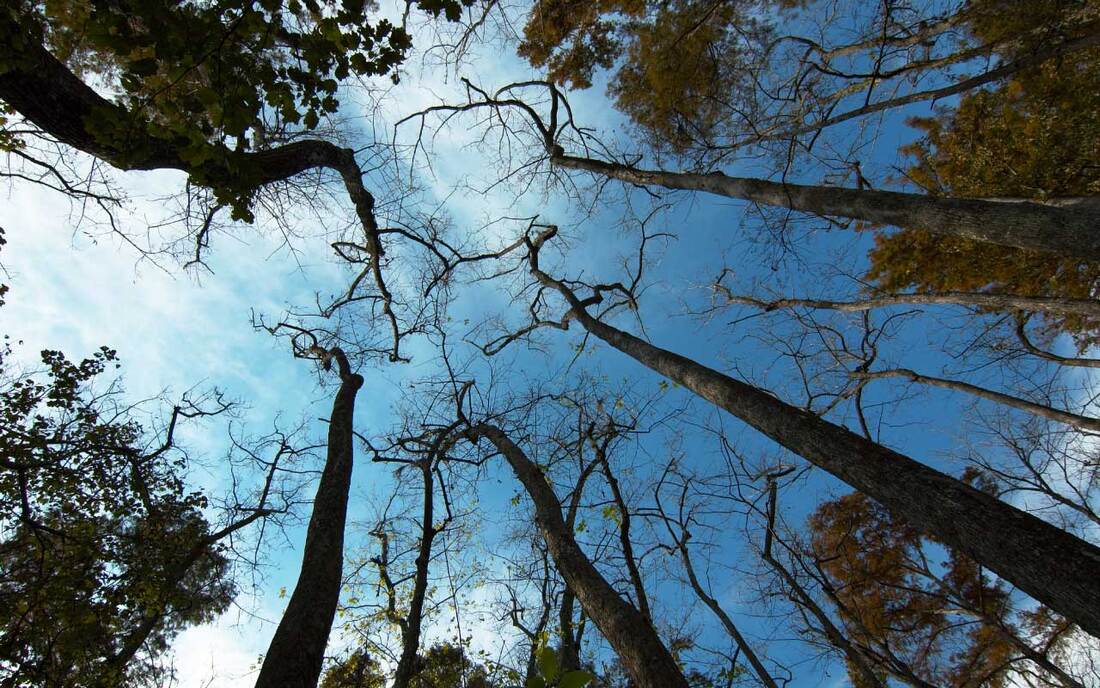
Picture of dead trees in Baton Rouge
The Great Tree Detective: How to Spot a Tree in the Afterlife
1. The Tale of the Silent Buds

In the spring, trees should be bustling with activity, popping out buds faster than popcorn at a movie theater. If your tree is more on the "silent movie" end of the spectrum, it might be time to start worrying. A lack of leaves and buds is often the first sign that your tree might be auditioning for a role in "The Walking Dead: Arbor Edition."

2. The Scratch Test: Under the Bark

Don your detective hat and gently scratch a small piece of bark from a branch. If you find green, congratulations! Your tree is alive and kicking. If it's brown and dry, well, it might be time to call in the professionals at Big Bark Tree Care. We promise to handle your tree with all the care of a beloved family pet (that doesn't need to be walked).

3. Branches: The Snap Judgment

Try bending a few branches. If they snap with a sound reminiscent of eating crackers in a quiet library, they're dead. Living branches, on the other hand, are more flexible than a yoga instructor. Remember, if a branch snaps off and hits you, it might be the tree's way of reaching out for help (or it's just grumpy; trees can be moody, too).

4. Trunk Drama: A Story of Splits and Cracks

Inspect the trunk for cracks, splits, and other novella-worthy drama. These signs can indicate a tree's internal struggle, much like reading a teenager's diary. Also, keep an eye out for fungi, which are the equivalent of a tree wearing too much cologne—it's trying to cover something up.

5. The Lean of Doom

If your tree is leaning like it's trying to initiate a game of limbo, it might be unstable. This is the tree's last-ditch attempt to catch your attention—like a dramatic exit in a soap opera. At Big Bark Tree Care, we specialize in giving these trees a dignified exit, ensuring they don't accidentally take out your fence on their way down.

6. The Professional Touch: Big Bark Tree Care to the Rescue

If all this detective work sounds like a lot, fear not! Big Bark Tree Care is here to take the magnifying glass out of your hand. We've got the expertise to determine if your tree is just being dramatic or if it's truly taken its final bow. Plus, we do it with a smile and the gentle touch of someone who whispers apologies to their plants when they forget to water them.

The Final Leaf: When to Say Goodbye
Saying goodbye to a tree can be tough. It's like parting with an old friend who's stood silently by your side, offering shade and shelter (and occasionally dropping leaves all over your lawn in a passive-aggressive move). But sometimes, it's necessary for the safety of your home and family.

At Big Bark Tree Care, we don't just remove trees; we honor their memory by ensuring the rest of your garden thrives. And who knows? Perhaps there's room for a new sapling to write its own story in your yard—a story we'd be thrilled to help you start.

So, if your tree is giving you the silent treatment, showing signs of decay, or just seems a bit too "dead" for your liking, give us a call. We'll bring our expertise, and our commitment to trees (both living and departed) to your doorstep. Remember, every tree has its day—some just need a little help finding their way out.
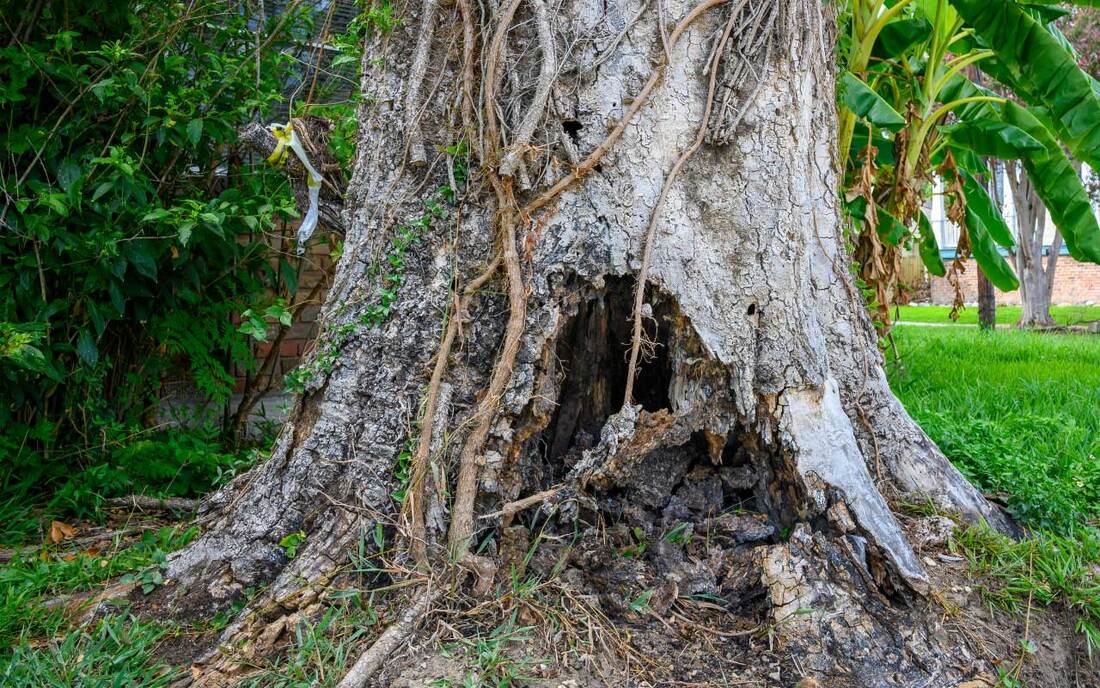
Picture of rotting tree in New Orleans
Why Big Bark Tree Care?
Choosing Big Bark Tree Care isn't just about getting rid of a tree; it's about bringing balance to your backyard ecosystem. We're like the garden therapists you never knew you needed, offering services that extend beyond mere tree removal. Whether it's pruning to encourage growth, treating diseases, or offering advice on tree care, we're here to help your garden flourish.

Planting the Future: Life After Tree Removal
After saying goodbye to your leafy companion, consider the future. With Big Bark Tree Care, tree removal is just the beginning. We can advise on selecting the perfect replacement tree—one that matches your landscape, soil type, and climate. Think of it as a chance to redecorate your outdoor space, with us as your exterior designers.

The Eco-Friendly Promise
At Big Bark Tree Care, we're not just about removing trees—we're about preserving the environment. We ensure that every part of the tree is recycled or repurposed, from turning branches into mulch for gardens or composting. We believe in a no-waste approach, ensuring that even in death, trees can give back to the earth.

Ready for a Help from a Leafy Hand?
We understand that dealing with tree issues can be a daunting task. That's why we approach every job with a mix of professionalism and expertise. We believe that tree care is just as important as our chainsaws and pruning shears.

So, if you're staring out the window at a tree that might be more suitable for a Halloween decoration than your backyard, it's time to call Big Bark Tree Care. We'll help you determine if it's truly time to part ways with your tree, and if so, we'll handle the process with care, efficiency, and maybe a few bad puns about "leafing" it to the professionals.

Conclusion
Detecting whether a tree is dead or just taking a lengthy siesta can be tricky, but with the right signs and a bit of guidance, you can become quite the arboreal detective. And remember, whether it's diagnosing a tree's health, performing a tree autopsy, or planting a new seedling to take its place, Big Bark Tree Care is here to help—always with a smile and a commitment to both your safety and the environment.

In the end, trees are a vital part of our world—providing oxygen, beauty, and shelter. Let's treat them with the respect they deserve, even in their final days. And when it's time to say goodbye, let's do it with a touch of humor, a dash of dignity, and the professional care that only Big Bark Tree Care can provide.

Remember, every tree's departure is an opportunity for new growth. Let's make the most of it, one tree at a time.
0 Comments

Termite Damage to Trees | Baton Rouge Tree Care

11/13/2019

55 Comments

 
These trees can appear healthy from the outside, yet are an accident waiting to happen. Have a certified arborist inspect your trees every year.
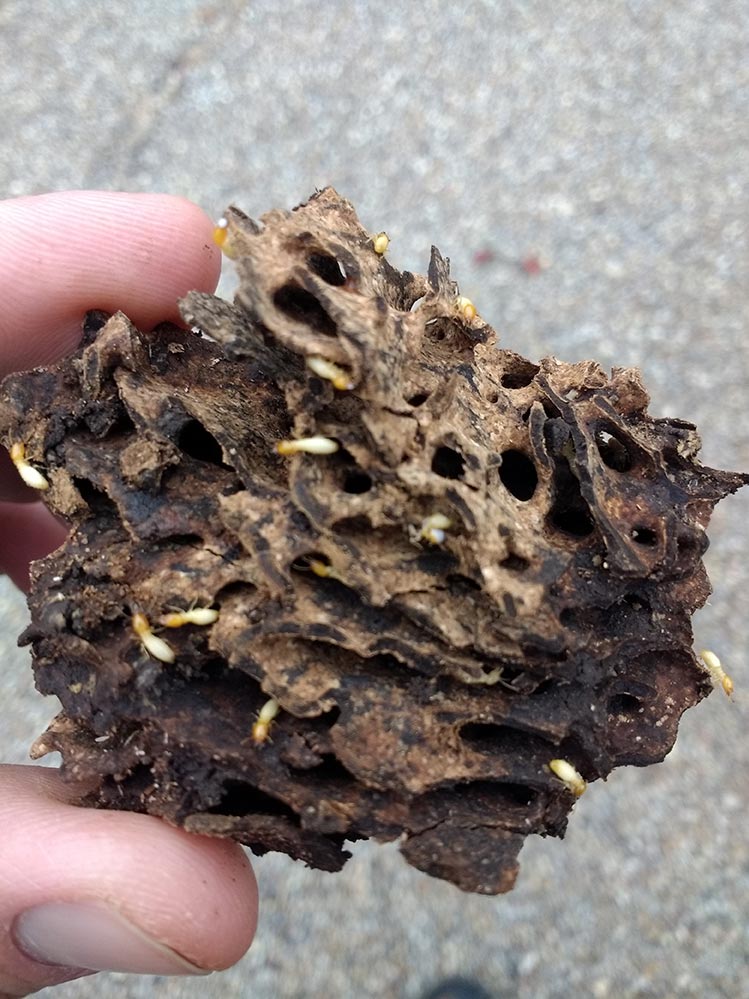
Picture of termite infested tree core
This is a core I took out of sweet gum that we had just removed. From the outside the tree looked fine other than around the base it was developing some odd cavities. I knew the tree had termites from the trails left moving up the bark.
Look how many are on this piece. This piece is only 3"x 3" big.
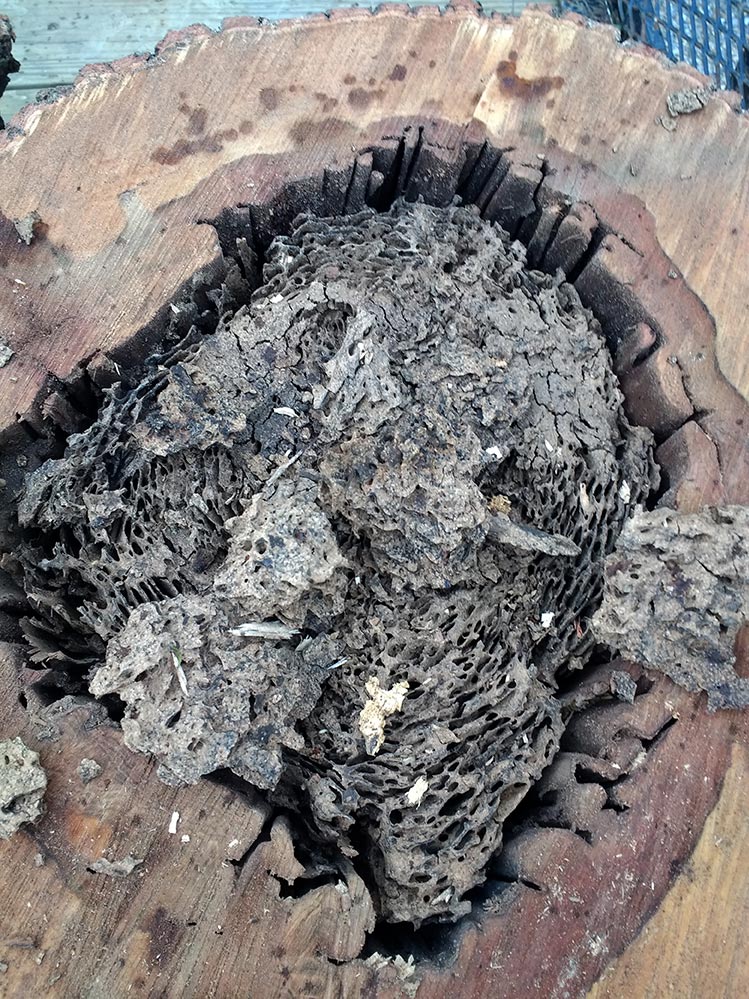
Picture of cross section of tree trunk with severe termite damage
This is the damage they cause. From the inside, outward. Devastating to the tree! 
55 Comments

Peak Hurricane Season and Tree Service

9/3/2018

69 Comments

 
​September is the most active month of hurricane season. Most of you have been through it before and are prepared in the event another storm hits here. Below is a refresher for how to prepare for a hurricane.
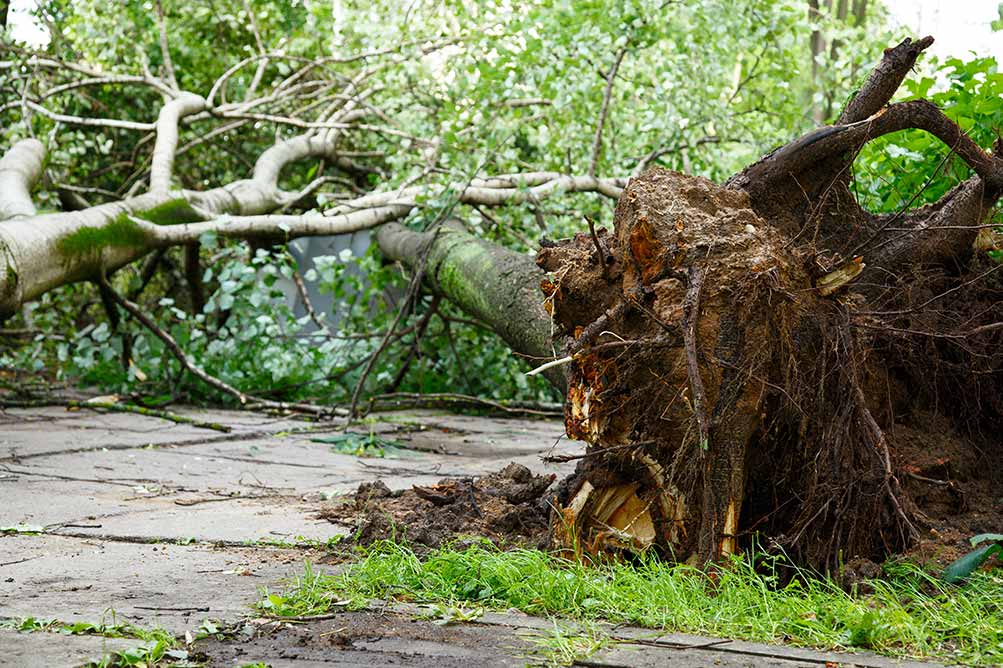
Picture of fallen trees after a hurricane in Baton Rouge Louisiana
Here is a basic hurricane prep kit:
  • one gallon of water per day per person
  • flashlight, batteries
  • three day supply of non-perishable food
  • pet food
  • baby supplies
  • prescription medicine
  • local map
  • first aid kit
  • dust mask
  • can opener
  • moist towelettes
  • whistle
  • battery powered radio
  • wrench/pliers

Prep kit extras:
  • tarps
  • duct tape
  • backup generators
  • extra gas cans
  • playing cards
  • full gas for vehicle
  • propane or charcoal grill
  • solar charge kit for phone

Inspect your trees today. If they appear unhealthy, contact an arborist. If they have dead branches, have them removed. Tree companies can get booked up once there are hurricane storm path models projecting your area being possible. Contact a tree service company sooner than later for better scheduling.
​
In the event of a hurricane, bring in outdoor furniture and potted plants. Board up windows and doors you deem necessary.
Charge all phones and tablets fully before a hurricane strikes. Charge extra battery kits also. Fill a bathtub with water to use for cleaning in case the water stops working. If there is an evacuation order, get out early. Traffic will cause gridlock quickly. We hope to avoid any hurricanes this seasons and hope you are safe in the event we do encounter one.
69 Comments

Get Tree Service Before the Hurricanes Start - New Orleans and Baton Rouge Tree Service

6/1/2018

4 Comments

 
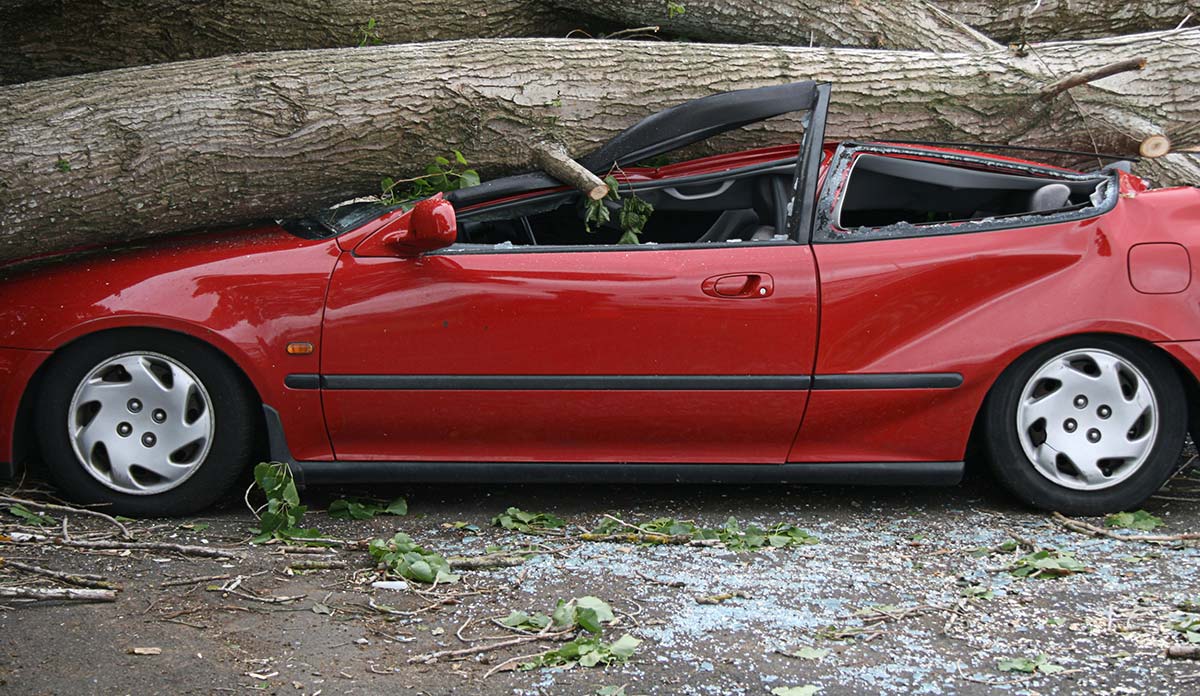
Picture of fallen tree removal after hurrican in New Orleans
Not a happy car owner.
Hurricane season is upon us yet again. After closely watching subtropical storm Alberto make landfall, it is certainly here. Hurricane preparedness saves lives. We are repeatedly informed to make sure our family has enough food, water, hygiene supplies, batteries, and gas to last in case disaster strikes. We are asking you to take a look at one more thing that could become deadly, your large trees.
​
If you have a large tree on your property, have one of our arborists take a look at it for free. Healthy trees often have dead wood hanging from limbs that can cause damage in a storm. A large tree could have a lot of branches that generate wind resistance. A few select cuts will reduce the chance of the tree falling during strong winds. It can also look better and allow light to pass through to the plants below, making them healthier and better looking.
​
The most dangerous situation is if you have a dead or dying tree. A large dead tree during a hurricane can kill. It is safer to have dead trees removed immediately. These are the first trees to fall during a storm and tend to be the ones on the news shows firmly through the roof of someone’s home. Even if you are insured and no one gets hurt, it will take months to get everything repaired and replaced. 
​
Be on the safe side. If you live in Baton Rouge, New Orleans, or anywhere in Louisiana between, get one of our arborists to inspect your tree’s health today for free. Contact us today to get it scheduled.
4 Comments
    Picture


    ​Author

    Loves the outdoors and has a great appreciation for trees.

    Archives

    March 2025
    February 2025
    January 2025
    February 2024
    January 2022
    March 2020
    February 2020
    November 2019
    November 2018
    September 2018
    July 2018
    June 2018
    May 2018
    April 2018

    Categories

    All
    Caterpillars
    Dead Tree
    Hurricane
    Insect Damage
    Palm Trees
    Safety
    Tree Care
    Tree Inspection
    Tree Removal
    Tree Selection
    Tree Topping
    Tree Trimming
    Worms

    RSS Feed

Picture

Services

Tree Trimming
Tree Care
Tree Removal

​Contact

Locations
225.800.8733
Careers

About

About Us
Our Team
Big Bark Tree Care
14461 Frenchtown Rd, Ste C
​Greenwell Springs, LA 70739
© COPYRIGHT 2025.
Site Map | All rights reserved.
  • About Us
  • Tree Trimming
  • Tree Care
  • Tree Removal
  • Blog
  • Contact